


Cabot's Natural Decking Oil


 Zoom
Zoom
Keep your outdoor decking and timber surfaces looking their very best with Cabot's Natural Decking Oil. This penetrating oil nourishes and protects timber, providing a semi-transparent matte finish. Use on decks, garden furniture, pergolas, fences and gates.
Blocks out harmful UV rays preventing them from penetrating and damaging the surface while resisting colour fade. Cabot's Natural Decking Oil forms a water repellent barrier aiding protection against mould and minimises cracking and splitting. Cabot's Natural Decking Oil penetrates the timber to nourish and protect the timber fibres below the surface. Recoat after only 6 hours so you can get 2 coats done in a day. Contains powerful ingredients to resist the growth of wood staining mould while the unique formula provides excellent dirt and stain resistance.
| Areas |
|
|---|---|
| Sizes |
|
| Application |

Brush

Decking Applicator
|
| Touch Dry |
3 hours
|
| Re-coat |
6 hours
|
| Coverage |
10 m2/L |
| Cleaning |

Turps
|
 Product Data Sheet
To coat new bare timber immediately, scrub damp timber with Cabot’s New Timber Prep, following label instructions. New Timber Prep will draw out tannins and oils quickly from the surface, allowing you to skip the 4-6 weeks weathering process required for new timber. Always follow New Timber Prep with Cabot’s Deck Clean following label instructions. Remove excess water from the surface with squeegee on Cabot’s Deck Prep brush, and allow timber to dry for at least 1 hour.

Hot tip!
Remove back to bare timber using a paint stripper, or sanding. For exterior surfaces clean with Cabot’s Deck Clean following label instructions.
For exterior surfaces clean with Cabot’s Deck Clean following label instructions. Test if the surface is ready for coating by sprinkling water on the timber. If the water ‘beads’ on the surface further weathering, sanding or use of a timber stripper is required before applying Cabot’s Natural Decking Oil. If the water soaks into the surface, you are ready to apply.
Sand timber back to fresh timber. Clean with Cabot’s Deck Clean following label instructions. Note: Fill holes and imperfections with a suitable timber putty after applying the first coat.
Hot tip!
How to prep your deck for coating
Apply using Brush or Deck Oil Applicator.
- Stir thoroughly with a broad, flat paddle.
- Tip: Continue stirring before and during use to maintain consistency.
- Apply liberally along the length of the board, including exposed edges and end grain.
- Apply two coats.
- Timing: Allow 6 hours between coats for proper drying.
Every 12 months, inspect your coated timber for changes in colour or water repellency that may have diminished due to weathering.
Hot tip!
Clean the surfaces with Deck Clean as per label instructions.
Recoat with 2 coats of Natural Decking Oil.
Your deck is ready—so when can you coat it? Right now.
Cabot’s New Timber Prep is formulated to draw tannins and oils out of wood, so when you apply a decking oil or stain afterwards it will give a smooth, even look. Skipping this step could result in a patchy, discoloured deck when coated, particularly with new timber such as merbau, spotted gum and jarrah.
How to use Cabot’s New Timber Prep:
- Shake the tin well.
- Apply generously and undiluted to the timber.
- Take care—surface will be slippery.
- Leave on the deck for 10–15 minutes.
- Do not let it dry—add more if needed to keep timber damp.
- Use Cabot’s Deck Prep Brush.
- Do not use a wire brush.
- Rinse with a hose or low-pressure washer.
- Remove all product to prevent timber discoloration.
- While timber is still damp, clean with Cabot’s Deck Clean.
- Your deck is now ready!
A coating remaining tacky may be caused by:
- Weather conditions. In cold or humid weather, a coating will take longer to fully cure.
- Application of a thicker coat.
- Contamination on the surface prior to coating.
Allow the coating to dry for another week in good weather. In most cases, the coating will fully cure and the tackiness disappears.
Strong sun and humid weather can create white water rings on parts of a deck. Heat can cause the pores of the timber to open up, trapping moisture underneath the coating of the wood, causing a cloudy, white mark.
How do I get rid of white heat rings?
The easiest way to get rid of heat rings is to use a hairdryer to draw out the moisture. Keep it on a low-heat, and move it around the damaged area. As the coating gets warm and the moisture starts to evaporate, the white marks should start to disappear.
If the timber is fully cured, lightly wipe the damaged area with a clean cloth soaked in methylated spirits. The methylated spirits should draw the moisture out from the coating. Remember, being gentle is key; rub too hard and you might damage the coating.
The applicator can still be used in direct sunlight and hot weather conditions, but you may experience some spreading issues due to the coating drying too quickly.
Cracking, splitting, greying, or water no longer beading on top of the deck are all signs of water and UV damage, and means your deck needs some maintenance. To stop further damage, you’ll need to apply more oil or stain, but before that, you need to clean and prep the deck so it’s in the best possible shape.
- Scrub the deck with Cabot’s Deck Clean.
- This opens the pores of the wood and removes dirt or debris.
- Allow the deck to dry completely before moving to the next step.
- Apply two coats of oil or stain evenly across the entire deck.
If your deck is partially covered this can cause uneven exposure to UV and rain, making it look patchy, or as though it’s different colours. To bring back a smooth even look, scrub the whole deck with Cabot’s Deck Clean. Let it dry fully before applying two coats of oil or stain to the damaged areas. Allow to dry, then apply one coat of oil or stain across the whole deck. This will even out colour and tone, making your deck look uniform again.
For free, expert advice on decking, call Cabot’s on 0800222687, or message us by clicking on the Cabot’s Live Chat button bottom right.
Cabot's Natural Decking Oil
 UV Protection
 Water repellent
 Deep penetrating oil
 Fast recoat

Select colour range
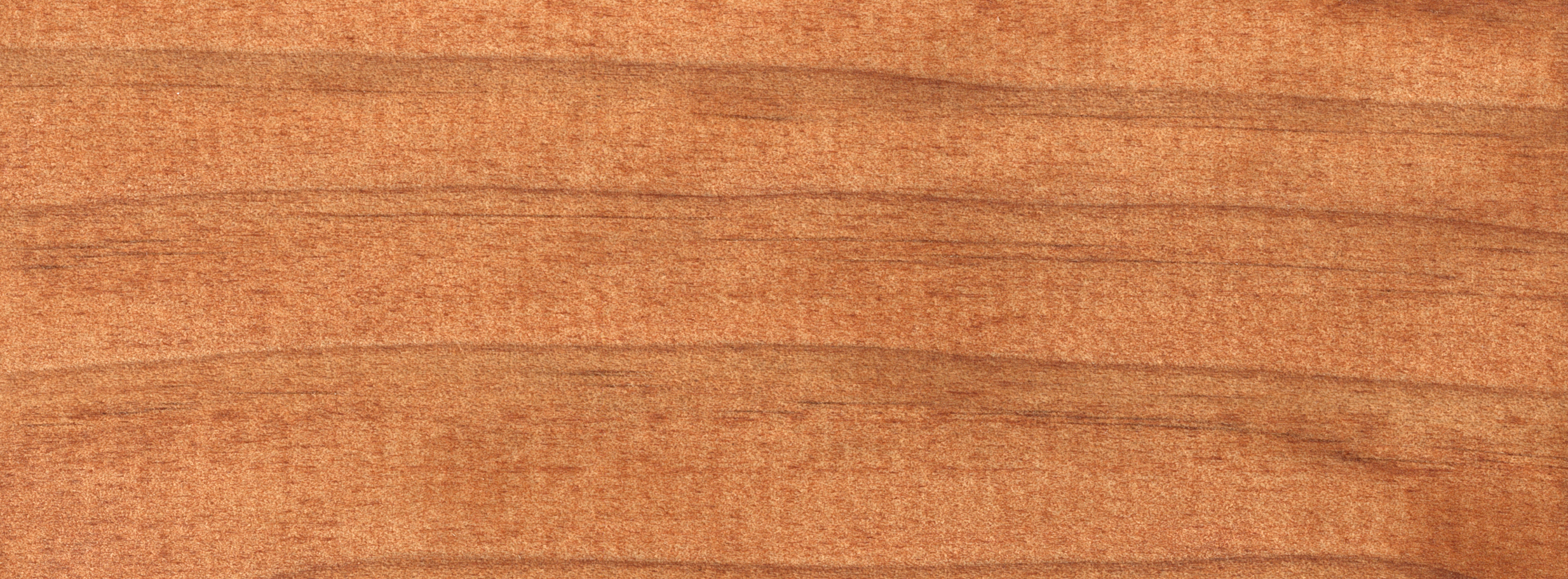
Colour - Kwila
Timber type - Treated Pine
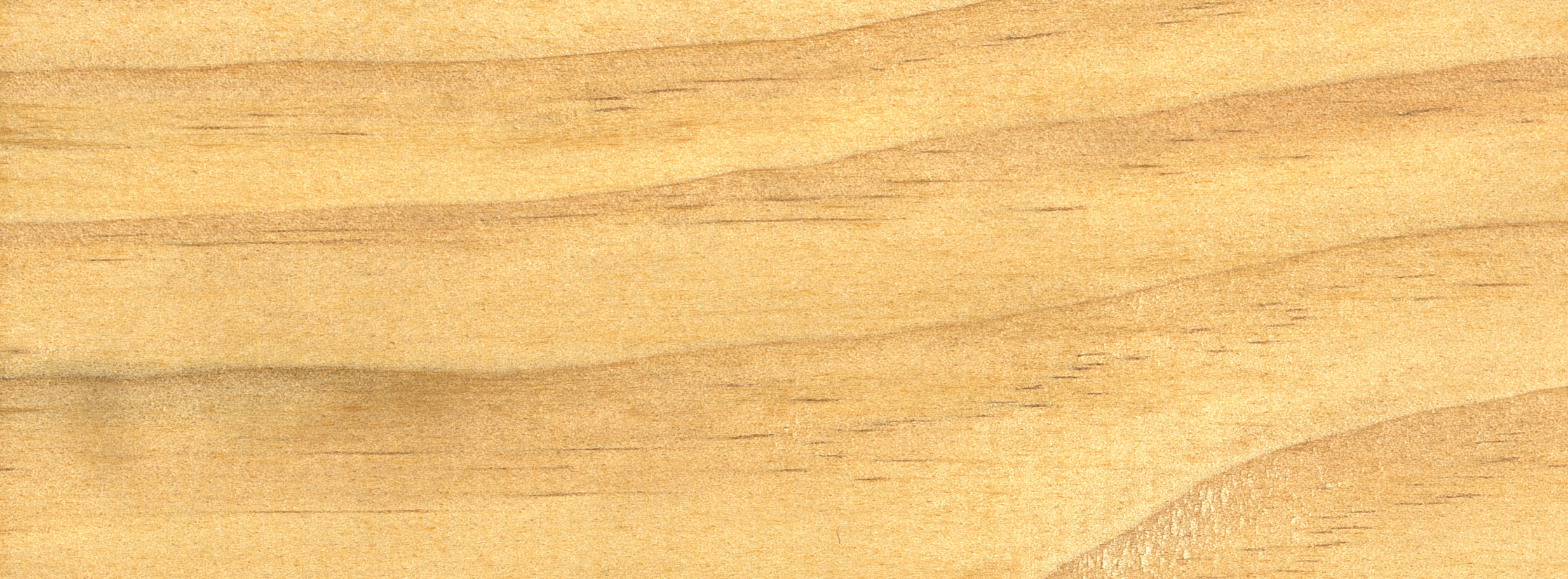
Colour - Natural
Timber type - Treated Pine
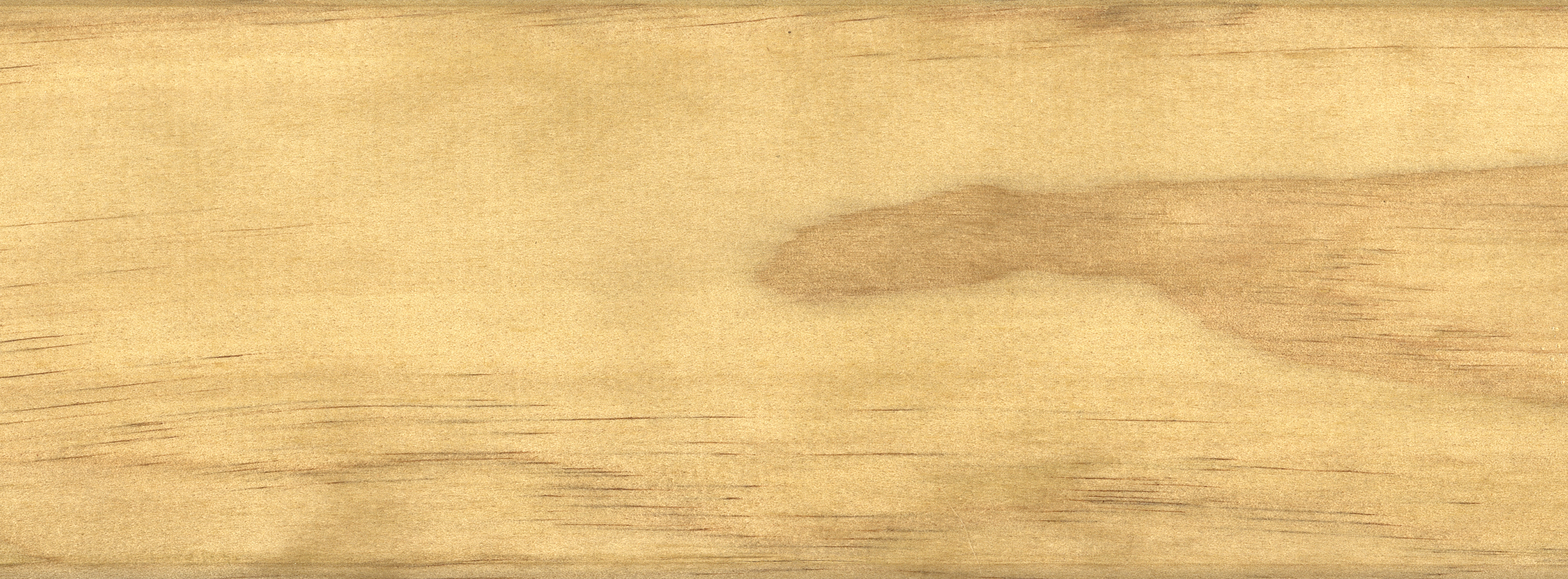
Colour - Traditional
Timber type - Treated Pine
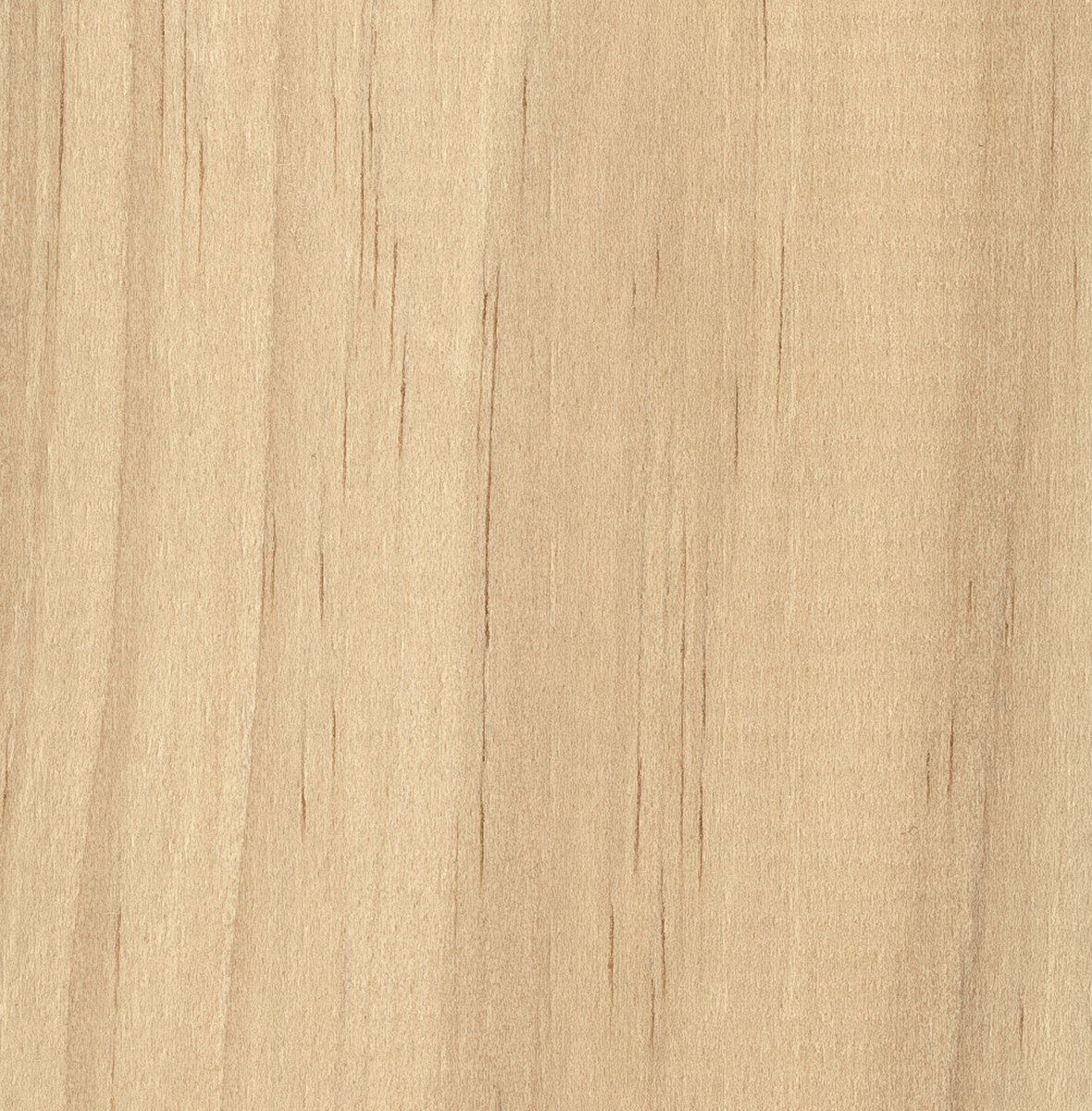
Cabot's Natural Decking Oil





Calculate total usage
If you are unsure how much product you need, please use our product calculator. Please note minimum length/width is 1 metre and maximum is 50 metres.


